Ethiopia’s clean power push gains momentum
Hyphen Web Desk
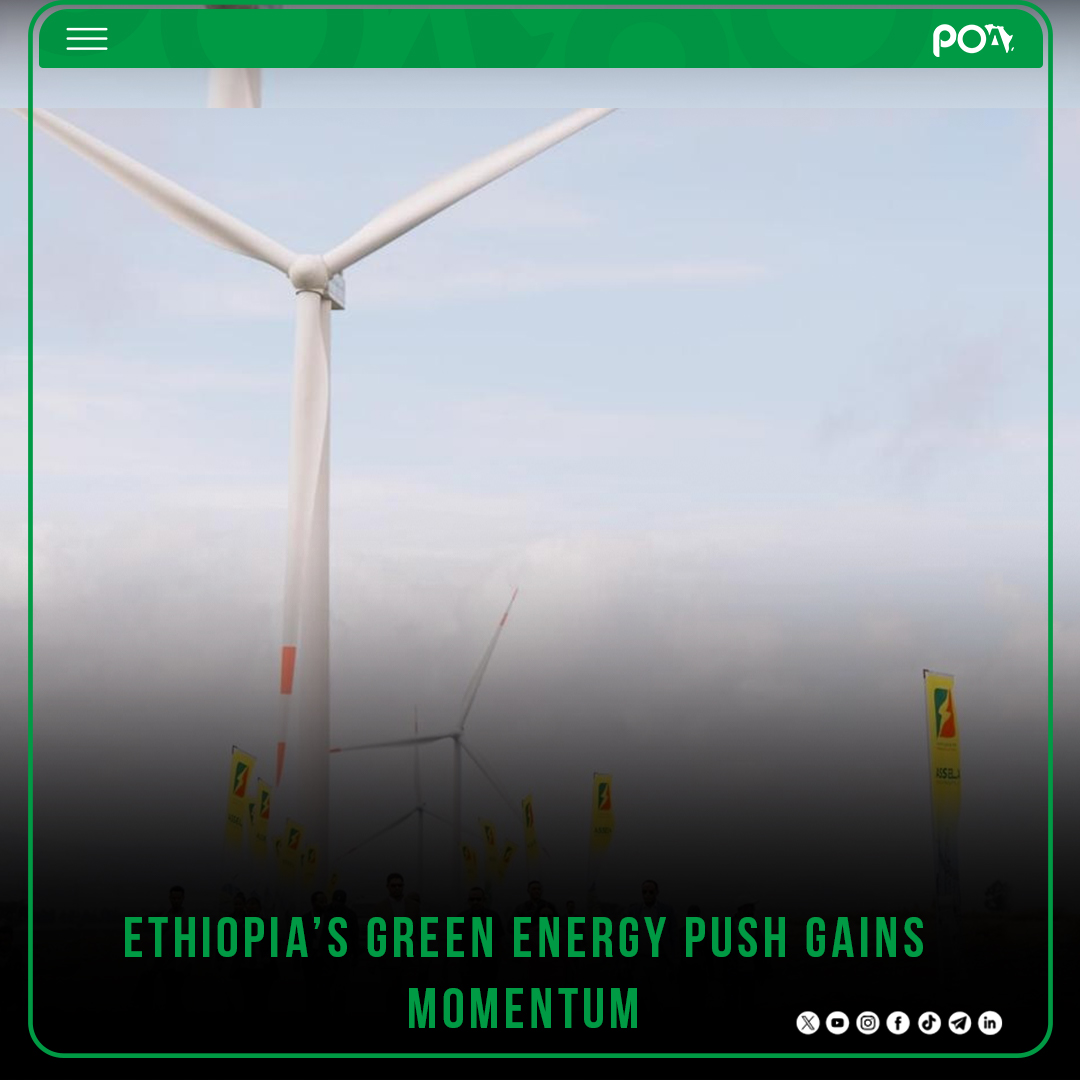 Ethiopia’s drive to turn abundant renewable electricity into wider power access and cheaper transport has gained fresh backing from Europe, with new UK and EU-linked investments targeting electric mobility, transmission upgrades and rural electrification.
The latest financing adds momentum to Addis Ababa’s wider strategy of using hydropower-led electricity generation to cut fuel imports, expand industrial capacity and speed up the shift to electric vehicles. The UK has committed $5 million in debt financing to Dodai, an Addis Ababa-based electric mobility company, as part of a $13 million Series A funding round aimed at expanding electric motorbikes and battery-swapping infrastructure.
Dodai assembles electric motorbikes and operates battery-swapping stations designed for delivery riders, commuters and small transport operators. The company has deployed more than 2,000 electric motorbikes and built a workforce of about 100 people. Its expansion plan targets 3,000 battery-swapping users and 30 stations in Addis Ababa within 12 months, followed by a longer-term goal of 30,000 users and 1,000 stations in the capital before entry into other African cities.
The UK investment comes through British International Investment, its development finance institution, and is intended to help lower the cost of urban mobility while reducing dependence on petrol. For Ethiopia, the transport shift is not only a climate policy measure. It is also an economic necessity. The country spends several billion dollars a year on imported fuel, a heavy burden for an economy dealing with foreign exchange shortages, debt pressures and high demand for infrastructure spending.
Ethiopia has moved faster than most African markets in trying to electrify transport. It banned imports of petrol and diesel vehicles in 2024, encouraged tax exemptions for electric vehicles and pushed local assembly as a way to create jobs. Roughly 115,000 electric vehicles now operate on its roads, against a national vehicle fleet of about 1.5 million. The government wants the number of electric vehicles to reach 500,000 by 2030.
The policy has helped Addis Ababa become one of the continent’s most visible electric mobility markets, but the transition remains uneven. Charging infrastructure is still concentrated in the capital, power cuts continue to affect households and businesses, and long-distance electric transport remains difficult outside major urban corridors. Ethiopia has just over 100 charging stations, far short of the more than 2,300 stations targeted by authorities.
European Union-backed support is focused more heavily on the electricity network that must carry Ethiopia’s green power ambitions. The RISED Ethiopia programme, supported by the EU, France through AFD and the European Investment Bank, is designed to modernise and digitalise the national transmission system operated by Ethiopian Electric Power. The programme includes substation automation, optical fibre deployment through power lines, a cybersecure National Load Dispatch Centre, interconnector upgrades with Kenya and Djibouti, and support for renewable energy projects developed by independent power producers.
A €120 million agreement signed in Addis Ababa in September 2025 under the RISED framework marked a key step in that programme. The wider objective is to reduce transmission losses, improve reliability, strengthen digital connectivity and prepare the grid for a more diversified renewable energy mix, including wind and geothermal power.
The UK has also backed Ethiopia’s transmission expansion through Gridworks, a UK government-owned investor in African electricity networks. Gridworks signed agreements worth about $400 million in February to develop two power transmission projects, the first public-private partnerships in Ethiopia’s electricity transmission network. One project will connect the Somali region to central and north-eastern grids, while another will support wind and solar development in the north-east and improve links with Djibouti.
Those investments are strategically significant because Ethiopia’s generation capacity is growing faster than its ability to distribute reliable power. The Grand Ethiopian Renaissance Dam, inaugurated in 2025, is expected to more than double national electricity output when fully operational, with installed capacity above 5,000 megawatts. Yet almost half of households still lack a grid connection, and factories continue to face power reliability problems.
The green energy push is also tied to Ethiopia’s regional ambitions. Stronger interconnectors could allow Addis Ababa to export more electricity to neighbouring countries while using power sales to earn foreign currency. Kenya, Djibouti and other neighbours are potential beneficiaries if Ethiopia can stabilise domestic supply while expanding cross-border capacity.
Private investors are watching whether reforms can keep pace with demand. Ethiopia has been opening parts of its state-dominated economy to outside capital, but investors still face currency restrictions, regulatory delays and security concerns in some regions. Electric mobility firms also need clear rules on vehicle standards, battery safety, import duties and recycling.
Labels:
#Syndication
Share:
