TotalEnergies and AllianzGI advance German battery storage
Hyphen Web Desk
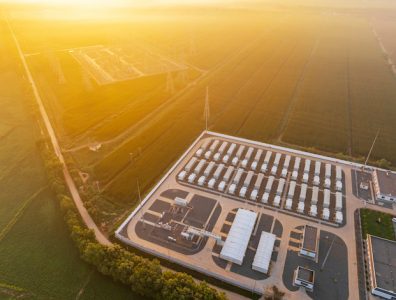 TotalEnergies has agreed to sell a 50 per cent stake in a large portfolio of battery energy storage projects in Germany to Allianz Global Investors, marking a significant investment in infrastructure designed to support the country’s transition toward a low-carbon electricity system.
The agreement covers 11 utility-scale battery storage projects under construction across Germany with a combined capacity of about 789 megawatts and an energy storage capability of roughly 1,628 megawatt-hours. Once completed, the facilities are expected to be operational by 2028 and are designed to strengthen the stability and flexibility of the country’s electricity grid as renewable generation expands.
Total investment in the portfolio is estimated at around €500 million, with about 70 per cent of the financing expected to come through debt. TotalEnergies will retain the remaining 50 per cent stake and continue to operate the projects once they enter service.
The partnership reflects the growing role of battery storage in European power markets, where wind and solar generation are expanding rapidly but remain dependent on weather conditions. Storage systems allow electricity produced during periods of strong wind or intense sunlight to be stored and then released when demand rises or renewable output drops.
TotalEnergies has been expanding its integrated power business as part of a wider strategy to diversify beyond oil and gas. The company has set a target to build a global portfolio of around 100 gigawatts of renewable and low-carbon electricity capacity by 2030, positioning electricity as a central pillar of its long-term growth.
Germany has become one of the focal points of that strategy. Europe’s largest electricity market is accelerating its shift away from fossil fuels and nuclear energy while expanding wind and solar generation at scale. That transformation has created growing demand for flexible assets such as battery storage, which help manage fluctuations in supply and demand.
The 11 projects were developed by Kyon Energy, a German battery storage developer acquired by TotalEnergies as part of its expansion in the energy storage sector. The battery systems themselves will largely be supplied by Saft, another subsidiary of the French energy group specialising in advanced battery technologies.
Executives from both companies have framed the transaction as a combination of financial optimisation and strategic partnership. TotalEnergies indicated that selling a minority stake in projects after development is consistent with its broader business model of recycling capital into new energy ventures while retaining operational control.
Allianz Global Investors described the move as its first direct equity investment in a portfolio of utility-scale battery storage projects. The asset manager already has exposure to renewable infrastructure through investments in wind farms, solar projects and green hydrogen initiatives across Europe and other regions.
For AllianzGI, the transaction represents a further step in expanding its infrastructure investment platform on behalf of insurance clients and institutional investors seeking long-term returns linked to the energy transition.
Large battery storage systems are increasingly viewed as a critical component of modern electricity networks. As countries raise the share of renewable energy in their power mix, the ability to store electricity during periods of surplus generation becomes essential to maintain grid stability.
Germany’s energy transition has accelerated the need for such assets. The country is expanding offshore and onshore wind capacity while deploying large volumes of solar generation. These intermittent sources create periods of excess electricity when production exceeds consumption and shortages when output declines.
Battery installations can respond rapidly to these fluctuations, releasing stored electricity within seconds to help balance the grid. They can also reduce congestion in transmission networks by storing energy locally and releasing it when demand increases.
Analysts say the commercial attractiveness of battery storage projects has improved significantly in Europe as electricity price volatility increases and regulatory frameworks evolve to reward grid flexibility services.
TotalEnergies has already invested in several battery projects in Germany, including earlier developments designed to provide hundreds of megawatts of storage capacity to the national power system. The latest portfolio expands that footprint and reflects the company’s broader push to develop flexible energy assets alongside renewable generation.
Germany’s energy market is also attracting growing attention from global investors as governments across Europe accelerate decarbonisation policies and electrification strategies. Battery storage, in particular, has emerged as one of the fastest-growing segments within the renewable infrastructure sector.
Labels:
#Syndication
Share:
