Dhafrah PV2 bond tightens sharply
Hyphen Web Desk
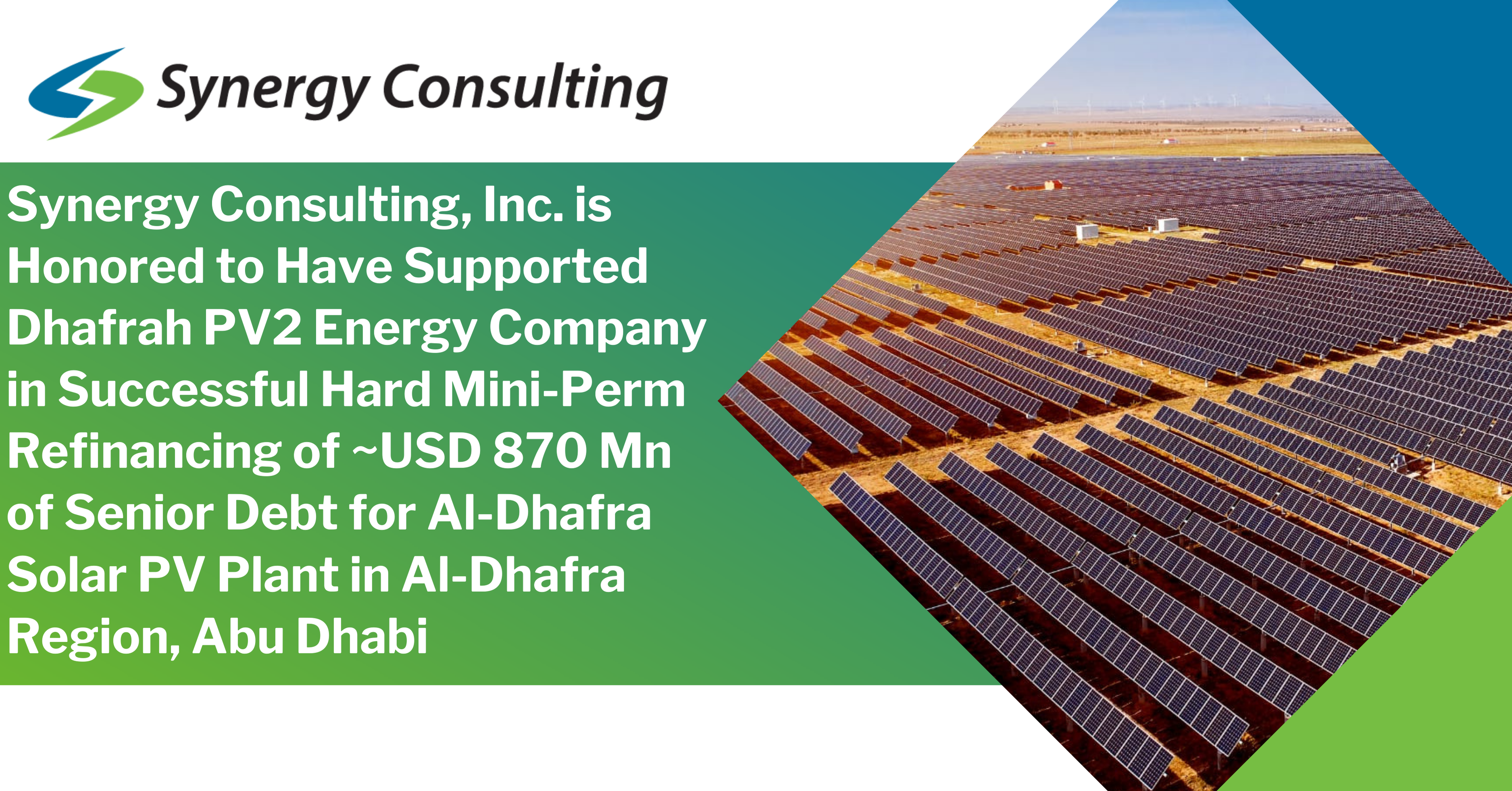 Dhafrah PV2 Energy Company, the Abu Dhabi-based owner of the Al Dhafrah PV2 solar photovoltaic plant, has priced an $870.75 million green bond with a final spread of 100 basis points over US Treasuries, tightening decisively from initial price thoughts in the T+130 bps area as demand built through the bookbuild. The Regulation S benchmark-sized, amortising Eurobond carries a coupon of 5.794%, re-offered at par, and features a long-dated 27.5-year legal maturity with a 17-year weighted average life, underscoring investor comfort with the project’s contracted cash flows and the emirate’s renewables framework.
The transaction was issued by Dhafrah PV2 Energy Company, the utilities firm behind the flagship Al Dhafrah PV2 solar photovoltaic plant, one of the world’s largest single-site solar facilities. Order books climbed to $2.1 billion excluding joint lead manager interest, giving the issuer ample flexibility to tighten pricing while preserving a broadly diversified investor base. Market participants said the scale of oversubscription reflected both the asset’s operational track record and the appeal of long-tenor, investment-grade-style green paper from the Gulf at a time when duration remains scarce.
The bond’s structure is amortising rather than bullet, a feature that aligns debt service with the project’s contracted revenue profile and reduces refinancing risk over time. Investors typically assign a premium to such profiles when backed by long-term power purchase agreements and stable regulatory regimes. In this case, the Al Dhafrah PV2 plant sells power under long-dated arrangements to the Abu Dhabi grid, benefiting from the emirate’s clear renewables policy and creditworthy offtake framework.
Pricing at T+100 bps places the deal among the tightest spreads achieved by a project-level green bond from the region with comparable tenor and amortisation, according to bankers involved in Gulf infrastructure finance. The coupon and yield at 5.794% compare favourably with other long-dated dollar issuance from utilities and infrastructure names, particularly when adjusted for the bond’s green label and predictable cash flows. The tightening from guidance signalled confidence that the order book could absorb a lower spread without compromising secondary performance.
Abu Dhabi has accelerated investment in large-scale solar as part of its broader energy transition strategy, pairing rapid capacity additions with financing structures designed to attract global capital. The Al Dhafrah PV2 project has been central to that approach, delivering utility-scale generation at competitive tariffs and helping diversify the emirate’s power mix. The bond’s long weighted average life mirrors the asset’s operating horizon, a feature that resonated with pension funds and insurers seeking duration, as well as with dedicated green and sustainable investors.
The green designation requires proceeds to be allocated to eligible environmentally beneficial activities, with reporting commitments around use of proceeds and impact metrics. Such frameworks have become standard in Gulf issuance, helping issuers broaden their investor base while reinforcing transparency expectations. Investors said the clarity around allocation and reporting, combined with the asset’s operational status, reduced execution risk compared with construction-phase financings.
Broader market conditions also played a role. While volatility in global rates has persisted, credit spreads for high-quality infrastructure have shown resilience, particularly for assets with contracted revenues and government-linked offtakers. The transaction’s success suggests appetite for Gulf renewables risk remains robust, even as investors remain selective on leverage and structure. The amortising profile, long WAL and green label together provided a combination that many accounts find difficult to replicate elsewhere.
For Abu Dhabi, the deal adds another reference point for pricing long-dated, project-backed green bonds and reinforces the emirate’s standing as a repeat issuer capable of executing at scale. It also highlights how solar assets have matured from niche investments into mainstream infrastructure plays that can support large, long-tenor capital markets funding.
Labels:
#Syndication
Share:
