BII support strengthens Egypt’s clean energy shift
Hyphen Web Desk
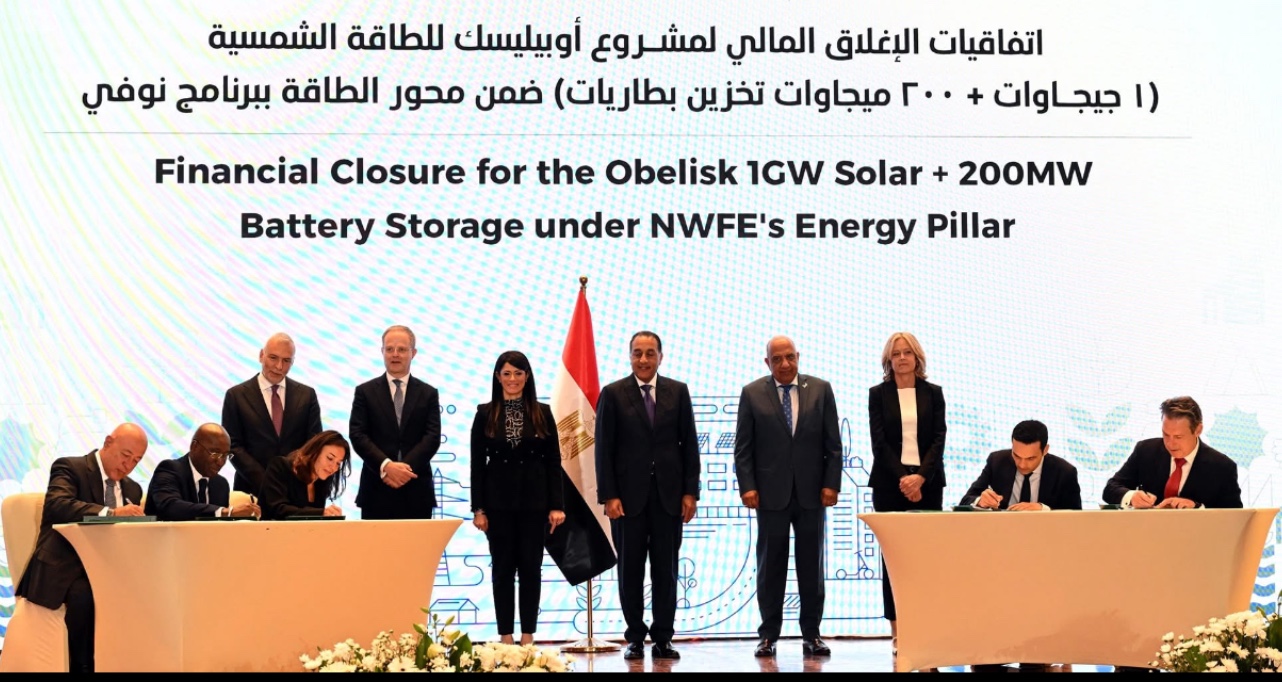
Developers and advisers involved in the programme said the commitment from BII signals heightened investor confidence in Egypt’s renewable sector at a time when the government is seeking to expand capacity across multiple technologies. The institution’s Head of Office and Coverage Director in Egypt, Sherine Shohdy, described the Obelisk initiative as a milestone for the country’s long-term clean energy ambitions, noting that the blend of solar photovoltaic capacity and battery storage is designed to reinforce a grid frequently strained during high-demand periods. Her comments reflect the broader shift among climate financiers who view integrated storage as critical to improving system reliability in markets with rapidly growing demand.
Egypt’s strategy aims to generate 42 per cent of its electricity from renewable sources by 2030, a target that has shaped policy decisions across solar, wind and green hydrogen. Government officials have highlighted that utility-scale storage is emerging as a vital component of that vision, allowing the grid to smooth out fluctuations linked to variable renewable output. Analysts tracking the region said the Obelisk project underscores how Egypt is moving to solve intermittency issues that have limited renewable penetration in other developing markets.
Scatec, which has built some of Africa’s most prominent solar parks, is expected to deploy a large battery system capable of storing excess generation during daylight hours. Sector specialists said this structure will allow electricity to be dispatched when needed most, improving consistency for industrial consumers and supporting plans to expand exports through regional interconnectors. While financial terms for the investment have not been fully disclosed, industry reports indicate that BII’s involvement could help catalyse additional private capital from banks and infrastructure funds with mandates for climate-focused projects.
Shohdy said the initiative aligns with BII’s broader mandate to support sustainable development by financing projects that deliver both climate and economic benefits. Her emphasis on long-term resilience reflects concerns among policymakers that external shocks, including shifting energy markets and supply disruptions, could strain the system without rapid diversification. By backing a hybrid model, BII aims to bolster local capacity while demonstrating the viability of large-scale storage in North Africa.
Renewable energy experts note that Egypt has become a key destination for international clean-energy developers due to its resource potential, established regulatory frameworks and ambitions to become an energy hub linking Africa, the Middle East and Europe. The country already hosts several major solar and wind installations, including the Benban Solar Park, but the integration of storage at a gigawatt scale marks a step change in technological sophistication. Observers argue that such megaprojects contribute to lowering overall generation costs, enabling cheaper power for households and businesses.
The Obelisk project also highlights the growing role of European and multilateral financiers in supporting the region’s energy transition at a time when global competition for renewable investment is intensifying. Analysts said BII’s participation represents a strategic effort by the UK’s development finance institution to expand its clean-energy footprint across Africa and reinforce partnerships with governments aiming to curb emissions while stimulating economic growth. Development finance institutions have been encouraged to channel more capital into large-scale climate projects, particularly those that can attract private-sector partners once feasibility and regulatory risks are clarified.
Scatec’s ongoing work in Egypt has followed a series of agreements that reflect the government’s broader pivot towards diversifying its energy mix while meeting rising domestic consumption. Demand for electricity in Egypt has continued to climb, driven by industrial expansion and population growth. The integration of battery storage gives policymakers greater flexibility as they confront supply swings that have periodically strained distribution networks.
Labels:
#Syndication
Share:
